Your Child’s Brain Development Needs More Than Instructions
As parents, we often spend a large part of our day giving our children instructions. Finish your milk. Put your shoes away. Share with your friend. Don’t run. Instructions help children learn routines and understand expectations. They are certainly part of growing up. But if we pause for a moment and look at what truly fuels brain development, especially in the early childhood age, we begin to notice something important: children’s brains grow far more through experiences, connection, curiosity and play than through instructions alone.
The Extraordinary Early Years
The story of human brain development begins much earlier than most people realise. From the moment a baby is born, newborn brain development is already in full motion. A newborn’s brain holds billions of neurons ready to form connections.
During the first few years of life, these neural connections are created at an astonishing speed. This period of infant brain development and infancy mental development is one of the most significant phases of growth in a child’s lifetime. Scientists often describe it as a time when the brain is building its basic architecture.
Every sight, sound, touch, voice and emotion helps strengthen these neural pathways. When a baby hears a familiar voice, when a toddler explores objects with their hands, when a young child listens to a story or laughs during play, the brain is constantly wiring and rewiring itself.
This is precisely why thoughtful early childhood care and education matters so deeply. The experiences children receive during the early childhood age do not simply teach them information; they shape how the brain learns, adapts and grows.
Why the First 1000 Days Matter
In recent years, researchers have also highlighted the importance of what are often called the first 1000 days of life from pregnancy until around the age of two. During this period, the foundations of brain development are laid at an incredible pace.
Connections in the brain are forming faster than at any other time. This means that everyday experiences — hearing language, feeling comfort, being spoken to, being held, exploring textures and objects — all contribute to healthy infancy mental development.
When babies are spoken to frequently, their brains begin recognising patterns of language. When they are comforted when they cry, they develop a sense of safety and trust. When they are given space to explore, curiosity begins to grow. These simple, responsive interactions play a powerful role in shaping human brain development during the earliest years.
Experiences Shape the Brain
Children do not learn best through lectures or repeated instructions. They learn through interaction and experience. When a parent responds to a baby’s coo, when a toddler is allowed to pour water between cups, when a child asks endless questions and someone patiently listens — these everyday moments support early childhood mental development in meaningful ways.
Think of the brain as a network of pathways. Every experience strengthens certain connections. The richer and more varied the experiences, the stronger the brain’s learning network becomes.
This is why everyday play is far more powerful than it may appear. Singing songs, telling stories, building with blocks, sorting objects, pretending to cook, digging in the sand, or simply observing nature can all be valuable activities for brain development.
Children are not just “passing time” during these moments. They are experimenting, thinking, imagining and learning.
The Importance of Play
To adults, play may look simple. For children, it is serious work.
During play, children explore ideas, test possibilities and solve problems. They learn to plan, negotiate, imagine and communicate. All of these experiences strengthen areas of the brain linked to attention, reasoning, language and emotional regulation.
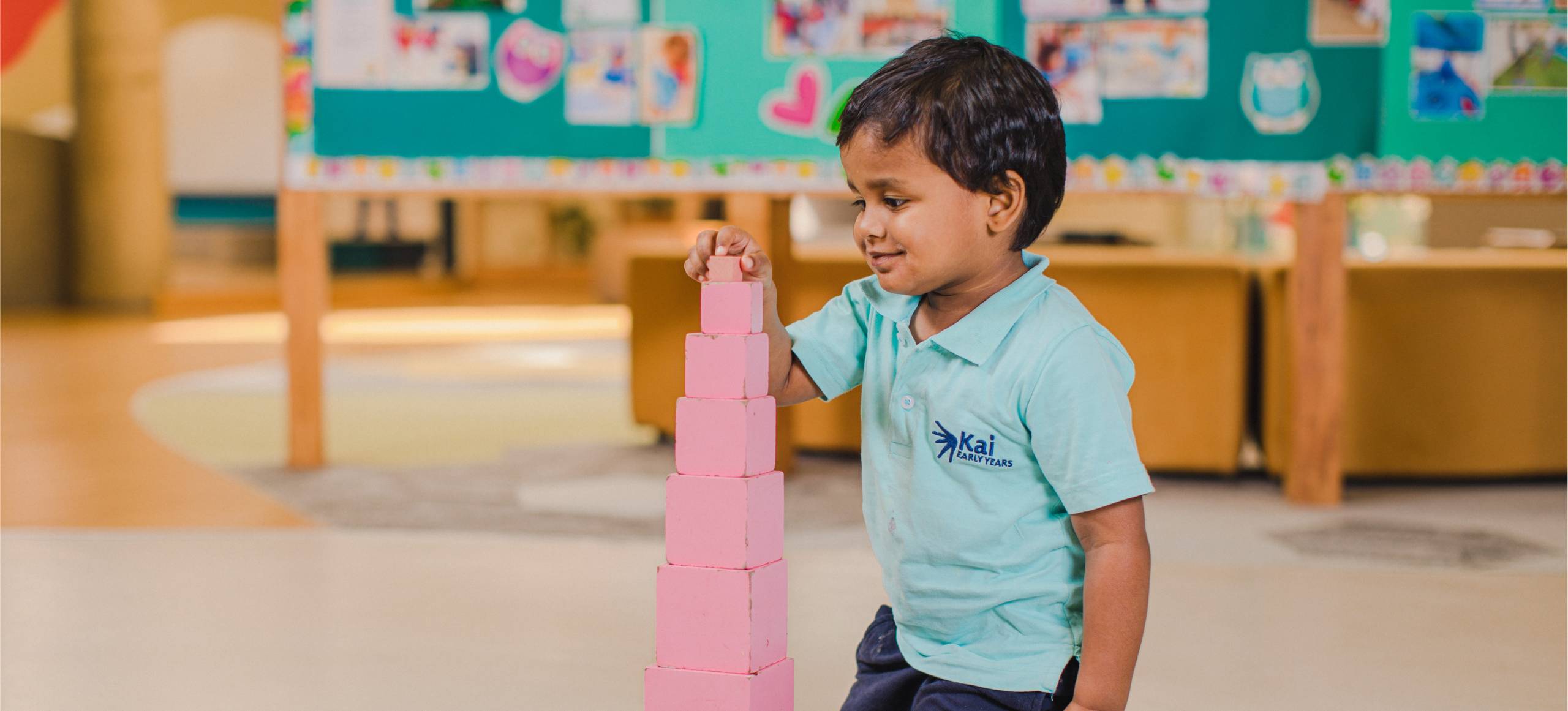
For example, when children build a tower, they are exploring balance and cause-and-effect. When they play pretend games, they are developing imagination and sequencing. When they play with other children, they learn cooperation and empathy. These experiences support early childhood mental development in ways that direct instruction cannot.
The Power of Connection
One of the most powerful influences on brain development is human connection.
Children’s brains grow best when they feel safe, seen and valued. A warm smile, eye contact, a reassuring hug, or sitting beside a child while they explore can have a profound impact on learning.
During infant brain development, responsive relationships help build trust and emotional security. When adults respond consistently to a child’s signals — whether a cry, a gesture or a question — the brain learns that the world is a safe place to explore. This sense of security supports both curiosity and confidence, which are essential for healthy human brain development.
Less Directing, More Discovering
As parents and educators, it is natural to want to guide children at every step. Yet some of the most valuable learning happens when children are given time to discover things for themselves.
Instead of always giving instructions, we might try asking questions, encouraging exploration, or simply observing what children are curious about.
A simple “What do you think will happen?” can open a child’s thinking far more than an immediate answer.
Allowing children to experiment, make mistakes, try again and arrive at their own discoveries helps them actively participate in their own brain development.
A Thought for Parents
The early childhood age is a remarkable window in a child’s life. What children experience during these years lays the groundwork for future learning, thinking and relationships.
This is why nurturing environments, thoughtful early childhood care and education, meaningful play and warm relationships matter so much.
At Kai, we are deeply mindful of how every experience contributes to healthy brain development. Whether it is through exploration with materials, collaborative play, storytelling or outdoor discovery, each moment is designed to support children’s growing minds.
Perhaps the most reassuring thought for parents is this: the most powerful tools for your child’s infant brain development and early childhood mental development are not complicated. They are conversations, curiosity, laughter, play, and the simple joy of exploring the world together.