Screen Time for Children: How Much Is Too Much and What to Do Instead
Screens are everywhere today. From video calls with family to cartoons during a quick break, they have quietly become part of daily life. For parents of young children, this often brings up an important question: how much screen time for children is actually okay?
There is no one perfect answer, but there is growing awareness about the effects of screen time on child development, especially in the early years when the brain is growing at a rapid pace. Understanding this can help parents make more thoughtful and balanced choices at home.
Why Screen Time Matters in Early Childhood
The early years are a time of deep learning through real experiences. Children learn best by touching, moving, observing, and interacting with people around them. When a child spends long periods in front of a screen, these rich experiences can get replaced by passive viewing.
Research around screen time effects on children brain development suggests that excessive screen use may impact attention, language development, and social skills. This does not mean that all screen time is harmful. It simply means that balance is important.
What Do Experts Recommend?
When it comes to screen time guidelines for kids, most global and Indian pediatric recommendations suggest:
- Children below 2 years should ideally have minimal to no screen exposure, except for video calls
- For children between 2 to 5 years, screen time should be limited to about one hour a day, and it should be high quality and supervised
The goal is not perfection. It is awareness and intentional choices.
Signs That Screen Time May Be Too Much
Sometimes, it is not about counting minutes but noticing patterns. Here are a few signs that your toddler may be getting too much screen time:
- Difficulty focusing on play without a screen
- Increased irritability when the screen is taken away
- Reduced interest in outdoor play or interaction
- Delayed speech or limited conversation
These signs can gently guide parents to pause and rethink routines.
How to Reduce Screen Time for children at Home
If you are thinking about how to reduce screen time for children at home, start small and stay consistent. Sudden changes can feel overwhelming for both children and adults.
Here are some simple, realistic steps:
- Create screen free routines
Set predictable times in the day when screens are not used at all, such as during meals, before bedtime, or in the morning after waking up. - Be present during transitions
Many parents rely on screens during busy moments. Try replacing these with small rituals like storytelling, music, or simple conversation. - Avoid using screens as a reward or distraction
When screens become a go to solution for boredom or emotions, children begin to depend on them. Instead, help your child learn to sit with feelings or find other ways to engage. - Model what you want to see
Children observe adults closely. Reducing your own screen usage, especially around your child, can make a big difference. - Keep screens out of bedrooms
Having clear boundaries around where screens are used helps create a healthy structure.
What to Do Instead of Screen Time for Kids
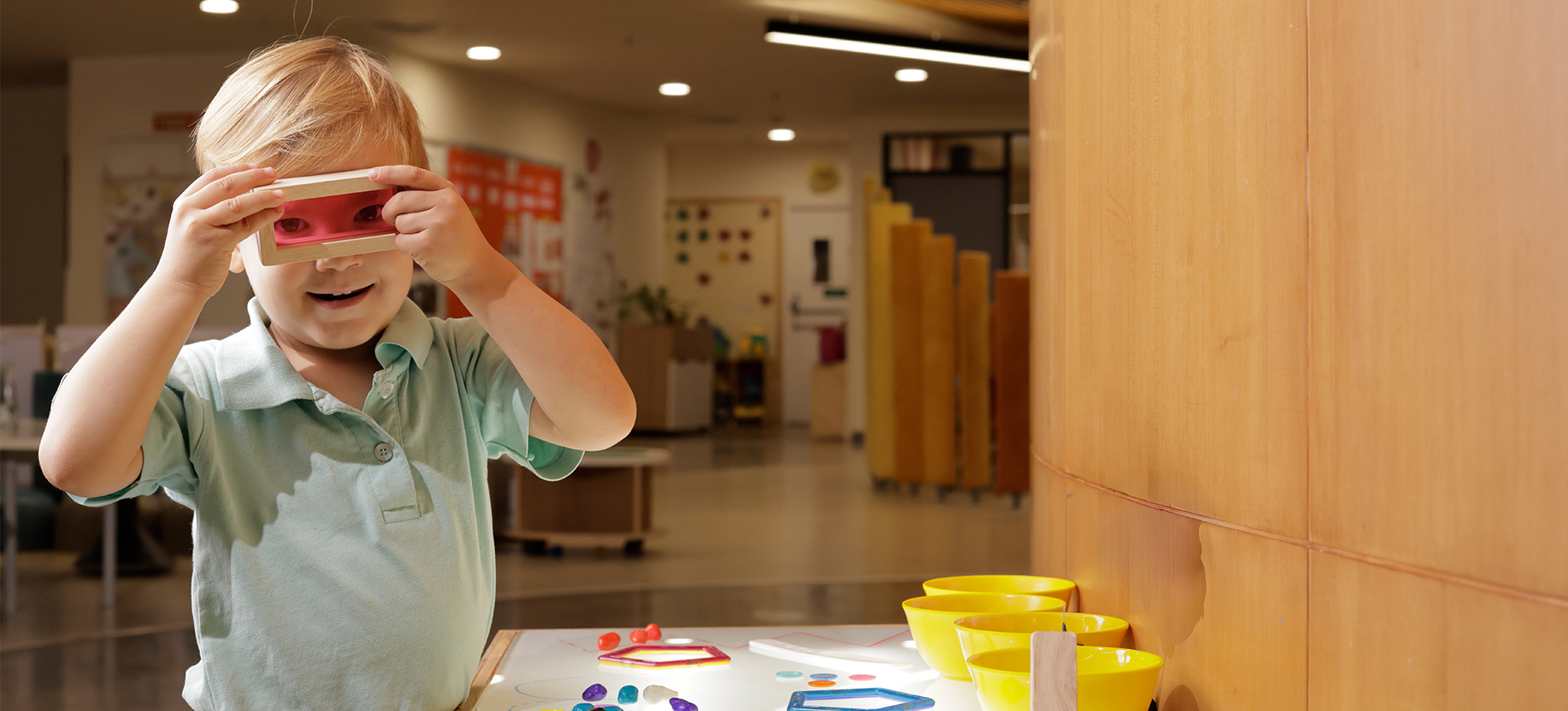
One of the most common concerns parents have is, what do I do instead? The good news is that children do not need elaborate setups. They thrive on simple, meaningful experiences.
Here are some effective screen time alternatives for toddlers:
- Open ended play
Blocks, kitchen sets, dolls, or even everyday household items can spark imagination. Let your child lead the play. - Outdoor exploration
A walk in the park, playing with sand, or observing birds can be deeply engaging. Nature offers endless opportunities for learning. - Reading together
Books build language, attention, and connection. Even looking at pictures and talking about them is valuable. - Art and sensory play
Simple activities like drawing, clay, or water play help develop creativity and fine motor skills. - Music and movement
Dancing, singing, or just moving to rhythm supports both physical and emotional development. - Involving children in daily life
Let your child help with small tasks like sorting vegetables, folding clothes, or watering plants. These moments build independence and confidence.
A Balanced Approach to Screens
It is important to remember that screens are not the enemy. They can be useful when used thoughtfully. Watching something together, discussing it, and making it interactive can turn screen time into a shared experience rather than a passive one. The key is to ensure that screens do not replace real world learning and connection.
Supporting Your Child’s Development
When we think about the effects of screen time on child development, it becomes clear that what children need most is not entertainment, but engagement. They need conversations, eye contact, play, and time to explore. These are the experiences that shape their thinking, language, and emotional world.
As a parent, you do not need to do more. You simply need to notice the small moments that already exist and lean into them.