Nutrition Battles: How to Handle Picky Eating Without Stress
If mealtimes at home feel more like a battlefield than family time, you’re not alone. Picky eating isn’t defiance; it is simply a developmental phase. The good news? With the right approach, these battles can be turned into breakthroughs. Many toddlers naturally go through a stage where eating habits seem unpredictable, but with patience and planning, how to handle picky eaters can become less of a struggle and more of a learning opportunity.
Why Proper Nutrition for Preschoolers Matters
The picky-eating phase can feel exhausting, but understanding its importance can help parents stay calm and consistent. Balanced nutrition for preschoolers lays the foundation for lifelong health, so guiding toddlers through these tricky years is crucial. Here are five key reasons why it matters:
1. Healthy Growth and Development
Adequate nutrition fuels both physical and cognitive growth. Vitamins, minerals, and proteins are needed for developing bones, muscles, and a strong immune system. Even if a child skips a few meals or avoids certain foods, consistent exposure to healthy options supports long-term growth.
2. Early Taste Formation
The toddler years are when food preferences are formed. Early introduction to a variety of flavours helps reduce fussiness over time. A child who regularly tastes vegetables, fruits, and whole grains is more likely to enjoy them later.
3. Better Immunityy
Nutrient-rich foods help build stronger immunity, protecting young children from frequent infections. Even when children resist certain foods, consistent offering of immune-boosting items such as fruits, vegetables, and proteins plays a key role.
4. Lifelong Habits
Healthy eating habits for toddlers influence future choices. Children who are routinely exposed to balanced meals are more likely to prefer nutritious options as they grow. Mealtime practices learned in early childhood often remain lifelong.
5. Emotional and Social Development
Family mealtimes foster social skills, patience, and independence. When toddlers are included in shared meals, they learn by observing adults and older siblings, even if their plates remain half-full.
Practical Ways to Handle Picky Eating
Knowing why nutrition matters is only half the journey; understanding how to handle picky eaters in everyday situations is equally important. These practical tips, drawn from expert advice, can reduce stress and help toddlers develop positive relationships with food.
1. Serve Family-Style Meals
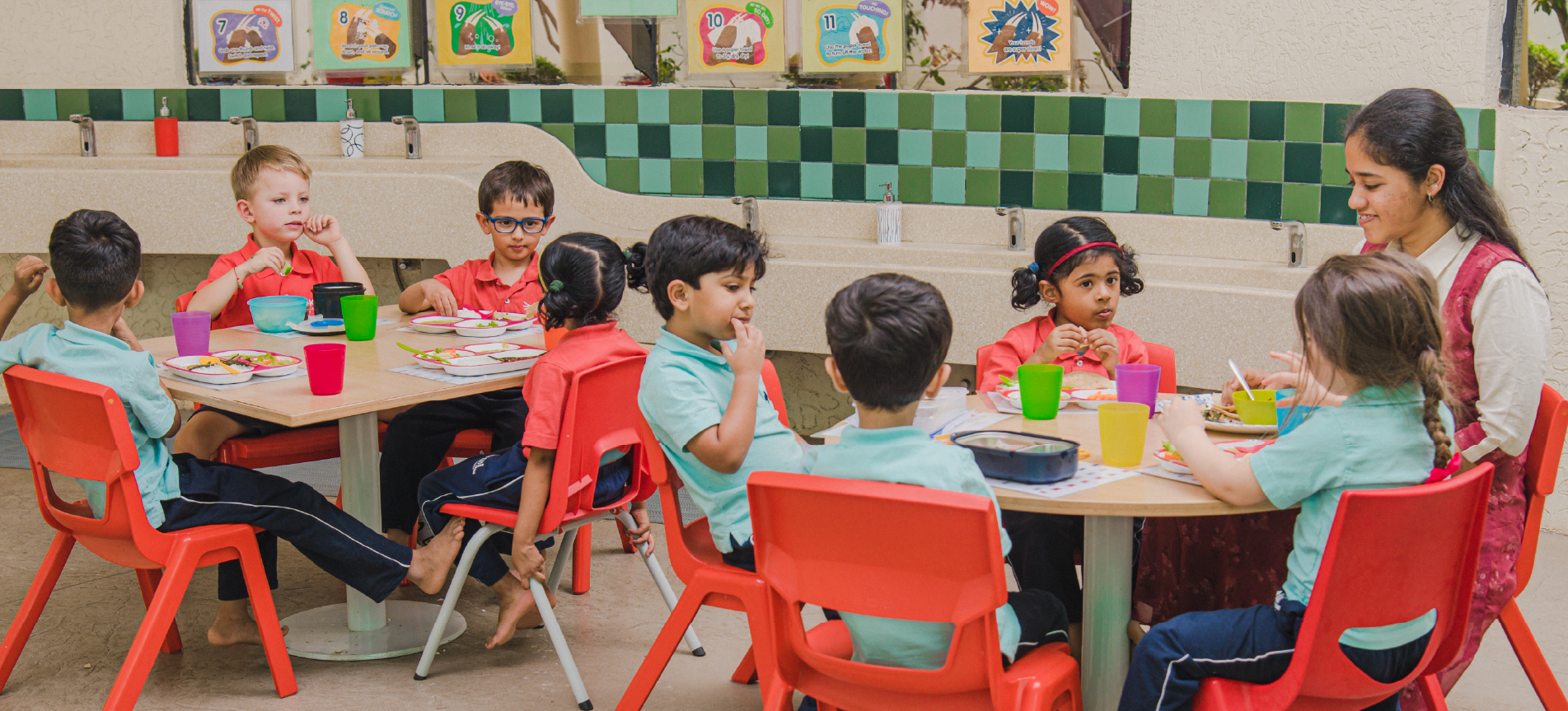
Meals are best shared together at a table, free of distractions like television or phones. A single-family meal, with at least one familiar food, allows children to choose what and how much to eat. Serving different dishes but avoiding “special” meals for picky eaters helps prevent food battles.
2. Avoid Food Fights
Children should be allowed to listen to their own hunger cues. If a meal is refused, it should not be treated as a crisis. Pressuring or punishing only increases resistance. Parents are responsible for offering healthy options, while children decide whether and how much to
eat.
3. Skip the Bribes
Offering sweets or treats as a reward for eating vegetables sends the wrong message, making “prize” foods seem more desirable. Instead, neutral responses and consistent exposure help children accept new foods naturally.
4. Keep Trying Without Pressure
A food may need to be offered 10 or more times before acceptance occurs. Small portions reduce waste and make new foods less intimidating. Persistence without forcing gradually normalizes variety.
5. Add Fun to the Plate
Toddlers are more likely to taste foods presented in creative ways. Colourful shapes, fun patterns, or dips can transform vegetables and fruits into exciting choices. Finger foods and bite-sized pieces also encourage self-feeding and exploration.
6. Involve Toddlers in Planning
Allowing children to select a fruit or vegetable at the market gives them a sense of control. Simple cooking tasks like stirring or sprinkling toppings build curiosity and excitement around food.
7. Bridge Familiar and New Flavors
When a food is accepted, similar flavours and textures can be introduced. For example, a love for pumpkin pie can lead to trying mashed sweet potatoes, and then carrots. Pairing unfamiliar foods with familiar favourites like broccoli with grated cheese also works well.
8. Set Regular Meal and Snack Times
A predictable eating schedule helps children understand hunger and fullness cues. Skipping meals occasionally is normal, but snacks and drinks should be limited to avoid spoiling appetite for the next meal.
9. Let Toddlers Feed Themselves
Encouraging self-feeding allows children to recognize when they are hungry or full. Even if messes are made, this independence fosters confidence and better eating habits.
10. Be a Role Model
Children imitate adults. When parents consistently eat balanced meals and enjoy a variety of foods, toddlers are more likely to follow suit.
Reducing Parental Stress
Parents often worry that picky eating will lead to nutritional gaps. However, most toddlers eventually meet their needs over the course of a week, even if individual meals are uneven. Offering balanced options without pressure, while staying calm, helps create a positive mealtime atmosphere. If concerns about nutrition persist, a paediatrician or nutritionist can provide reassurance and guidance. Remember, this stage is temporary. With patience, creativity, and consistency, nutrition for preschoolers can remain on track while teaching children the value of variety and balance.
Turning Battles into Breakthroughs
Picky eating may feel overwhelming, but it is a normal part of development. By focusing on exposure rather than enforcement, families can help toddlers build healthy eating habits for toddlers that last a lifetime. Instead of worrying over every bite, parents can embrace mealtimes as opportunities to connect, model good habits, and celebrate small victories. With steady guidance, those stressful dinner-table standoffs can slowly transform into moments of growth—for both parents and children.